
The Legalities of Buying, Stocking and Using Emergency Adrenaline in the UK
Adrenaline auto-injectors are used to treat anaphylaxis, which is a life-threatening allergic reaction that can occur without warning. Anaphylaxis requires immediate treatment with adrenaline. Delayed access to adrenaline significantly increases the risk of serious harm or death.
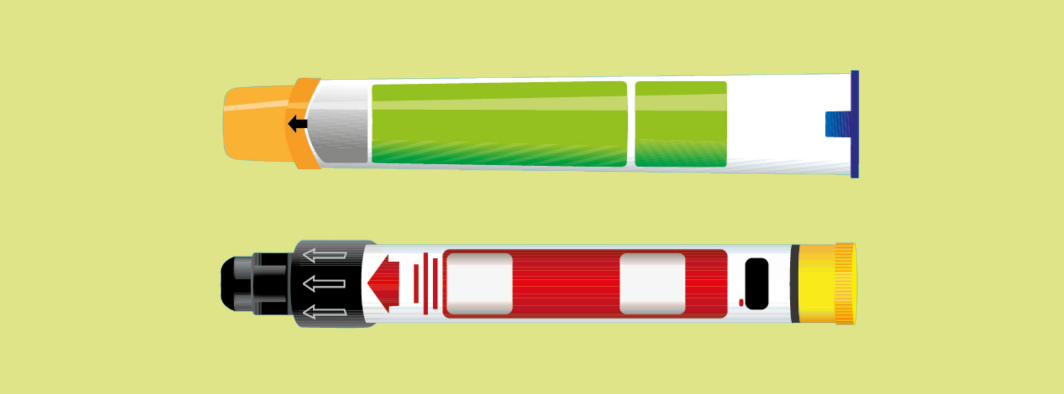
There are two types of adrenaline pens on the market in the UK which fundamentally do the same job and are prescribed interchangeabley: EpiPen, and Jext.
Can you legally buy and keep spare adrenaline auto-injectors for a school or workplace in the UK?
Yes (as long as you qualify - more details on this below)! Employers and education providers have a legal duty of care to protect employees, pupils, and others who may be affected by their activities.
UK law (which we’ll explore more later) allows schools and certain eligible organisations to obtain and hold spare adrenaline auto-injectors for use in medical emergencies.
Severe allergies are common in the UK population. Allergies affect people of all ages, and allergic reactions do not only occur in medical settings. Severe allergic reactions can occur in schools, offices, and other workplaces.
The regulations that allow schools and qualifying businesses to buy adrenaline
Adrenaline auto-injectors are prescription-only medicines (POMs) under the Human Medicines Regulations 2012. This normally means that adrenaline auto-injectors can only be supplied to an individual with a prescription written in their name, and that prescription medicines cannot usually be administered by non-medical staff.
This general restriction is set out in Regulation 214, which prevents the sale, supply, or administration of prescription medicines without appropriate authorisation.
However, Schedule 17 of the Human Medicines Regulations 2012 creates an important legal exemption. It allows adrenaline auto-injectors to be supplied without a named prescription to registered schools, and to qualifying organisations that operate an occupational health scheme, following a written order signed by a doctor or registered nurse.
This legal exemption exists so that organisations can prepare for unforeseen medical emergencies in advance. Schools and eligible workplaces can therefore legally buy and store spare adrenaline auto-injectors for emergency use.
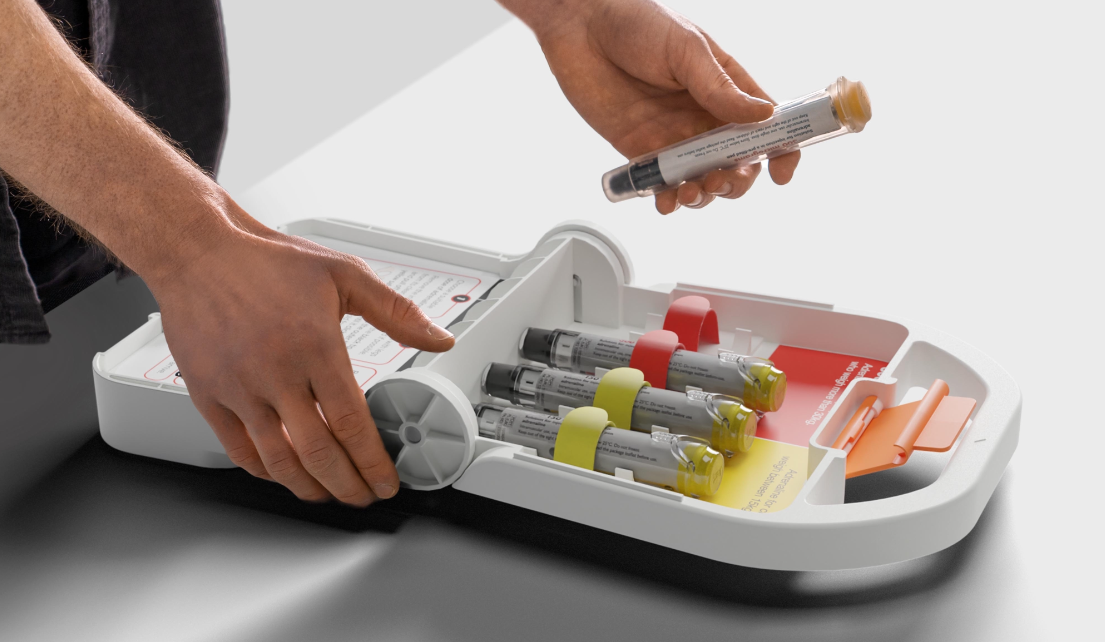
Our Anaphylaxis Kitts are the only service on the UK market that provides a guaranteed subscription supply of spare adrenaline pens alongside our wall-mounted Kitts.
Who can administer adrenaline in an emergency?
UK law allows anyone to administer adrenaline in a life-saving emergency. Regulation 238 of the Human Medicines Regulations 2012 removes the usual restrictions on administering prescription medicines when the purpose is to save life.
This means a teacher, colleague, or bystander is legally permitted to administer an adrenaline auto-injector during a suspected anaphylactic reaction.
Although anyone can legally administer adrenaline in an emergency, training remains essential. This is because training improves recognition of anaphylaxis, speeds up response times, and increases confidence during high-pressure situations.
It is highly encouraged to ensure the staff members are trained in the use of adrenaline auto-injectors and also to be able to recognise the signs and symptoms of anaphylaxis to allow for an appropriate response.
Liability versus negligence: understanding the real legal risk
Many organisations worry that keeping adrenaline on site creates legal risk. In reality, the greater legal risk is failing to provide appropriate emergency care where a foreseeable risk exists.
UK health and safety law requires organisations to manage foreseeable risks. A foreseeable risk includes the risk of anaphylaxis where allergies are known or reasonably anticipated. Emergency planning for allergic reactions forms part of responsible risk management. Civil negligence claims assess whether a duty of care existed and whether reasonable precautions were taken.
The absence of emergency adrenaline where allergies are known may be criticised by regulators or courts. The availability of adrenaline auto-injectors, supported by training and procedures, demonstrates proactive and responsible compliance.

UK health and safety enforcement focuses on whether an organisation has done what is “reasonably practicable” to manage risk.
The Good Samaritan principle in the UK
UK law protects people who act in good faith during medical emergencies. The legal risk to individuals who administer adrenaline in good faith is considered low.
The Social Action, Responsibility and Heroism Act 2015 requires courts to consider whether a person was acting responsibly or heroically when helping someone in danger.
The Health and Safety Executive states that it is very unlikely that legal action would be taken against someone, whether a first aider or a bystander, who uses their training to provide first aid.
Courts and regulators focus on whether reasonable precautions were taken, not on punishing good-faith emergency responses. This reassurance applies to the emergency administration of adrenaline.
Emergency adrenaline forms part of a wider duty of care. Duty of care includes risk assessment, emergency planning, equipment provision, and staff awareness.
Having clearly located adrenaline auto-injectors and trained staff enables a faster and more confident response. Rapid access to adrenaline improves outcomes in anaphylaxis.
For schools and eligible workplaces, spare adrenaline auto-injectors are lawful, supported by regulators, and aligned with best practice. Emergency adrenaline is a responsible and life-saving duty-of-care measure.

Thousands of schools and qualifying businesses across the UK, including established names like Knight Frank Promise, have installed Anaphylaxis Kitts in their venues.