
Benedict’s Law (The School Allergy Safety Bill): New Statutory Guidance for UK Schools
This week marked a turning point in how the United Kingdom protects children with life-threatening allergies. A powerful debate in the House of Lords on the Children’s Wellbeing and Schools Bill has sealed a commitment that will reshape school safety policies nationwide - a move many are calling Benedict’s Law.
At its heart, this change is about making schools safer places for every person who could suffer a severe allergic reaction, not just those already diagnosed with allergies. It’s about learning from tragedy and acting decisively so no family ever has to relive that “what if?” again.
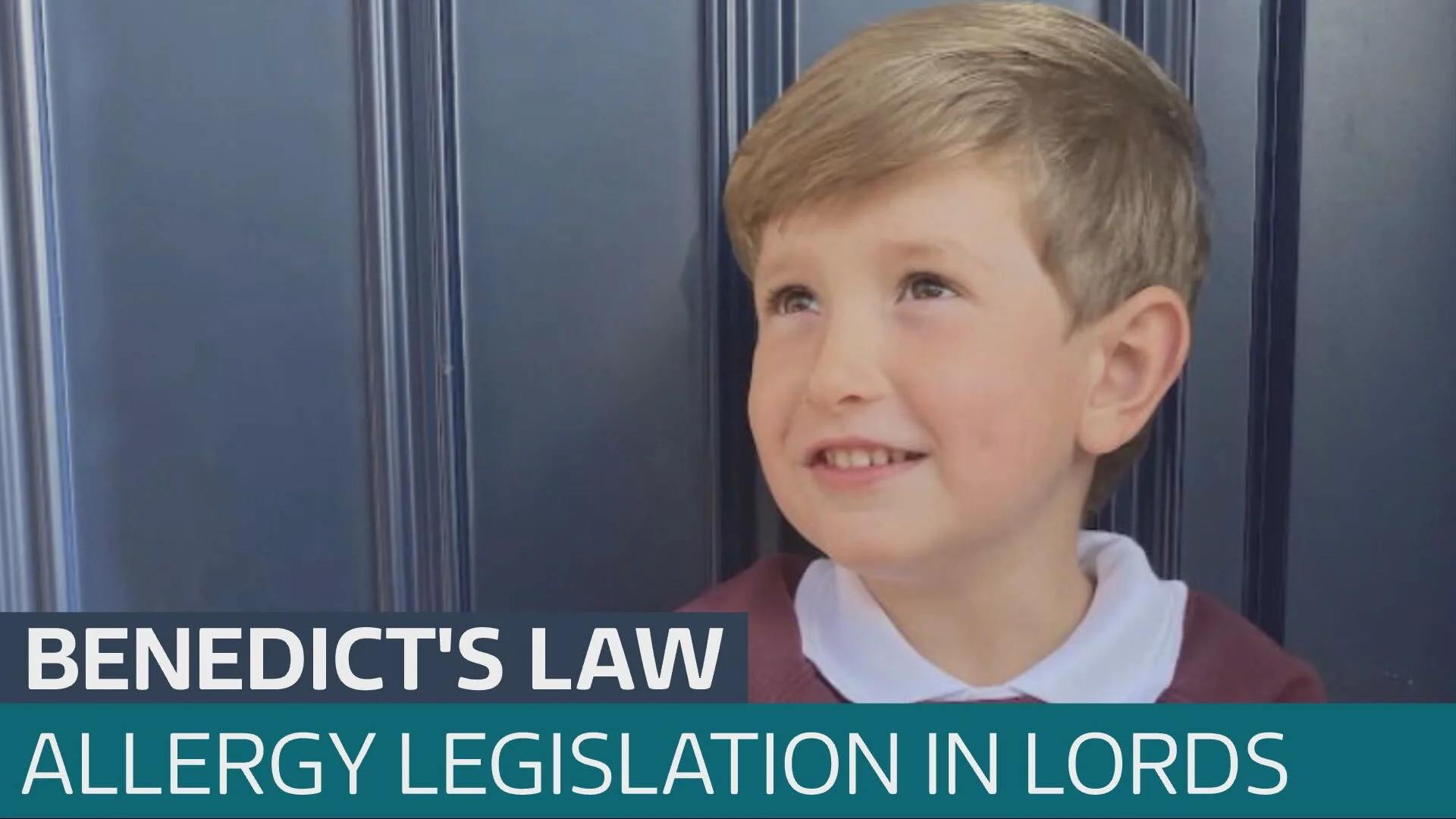
Why This Matters: The Story Behind the Name
The campaign for legislative change stems from the tragic death of five-year-old Benedict Blythe, who died after an allergic reaction at school. His inquest revealed systemic gaps in allergy preparedness - no formal plan, no trained staff ready to recognise anaphylaxis, and a delayed administration of adrenaline that could have saved his life. In the wake of that loss, his family and allied charities demanded systemic change.
Their call? Make schools places where every pupil at risk of anaphylaxis is protected, and every educator is equipped and confident to act in an emergency.
What the House of Lords Decided Last Night…
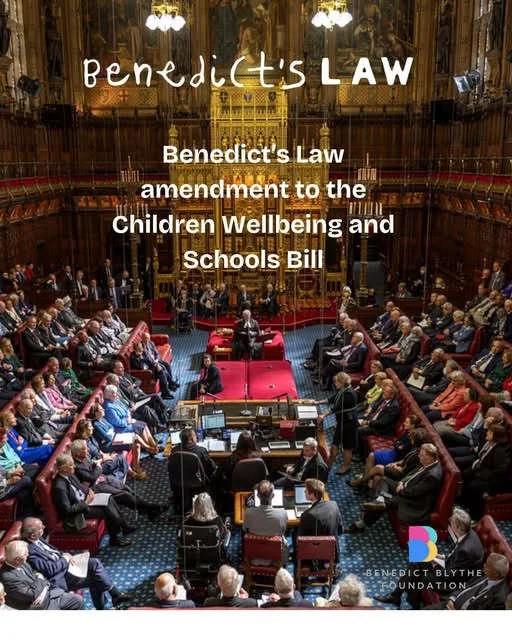
On the evening of 3 February 2026, peers in the House of Lords voted in favour of an amendment that effectively gives birth to Benedict’s Law:
This statutory guidance will make key allergy safety measures mandatory in all schools in England by September 2026.
The agreed measures mean that within a year of the new law passing:
☑️ Every school must have a comprehensive allergy and anaphylaxis policy
This policy isn’t just a paper on a shelf - it’s a living framework covering prevention, awareness, and response to allergic emergencies.
📝 Individual Healthcare and Anaphylaxis Action Plans must be in place
For any pupil with a known allergy, schools must have personalised medical guidance prepared and updated in partnership with families and healthcare providers.
💉 Schools must hold in-date adrenaline auto-injectors on site
Known commonly as adrenaline pens or AAIs, these life-saving devices must be purchased and stored at each school - not on a whim, but as a core part of emergency readiness.
⭐ Mandatory training for all staff
Teachers and adult staff will be required to understand allergy risks, recognise signs of anaphylaxis, and be competent in administering adrenaline in an emergency.
🆘 Reactions must be logged and reviewed
Every allergic incident or near-miss must be recorded in the child’s healthcare plan and used to continually improve safety procedures.

Our Anaphylaxis Kitt service is the all-in-one solution to the new statutory guidance published by UK Government, providing a subscription supply of spare emergency adrenaline pens, a secure wall-mounted Kitt, online CPD training, and a web portal to manage it all.
From Guidance to Obligation
Until now, guidance around schools stocking spare adrenaline pens was non-statutory - meaning schools could choose whether to follow it or not.
That’s about to change. The new guidance will be statutory - which means schools are legally expected to comply with it, not merely advised. These expectations will be backed by inspection frameworks and accountability structures embedded in the wider split of education law.
Experts and campaigners are clear: this isn’t just best practice, it’s basic safeguarding. Reports cited that as many as half of schools had no spare adrenaline pens and that many lacked training or written allergy policies before this reform.
What’s striking about Benedict’s Law isn’t just its practical requirements, but the culture it aims to instil: allergy awareness as an integral part of school wellbeing.
It reframes allergic reactions from being a personal or family issue to a collective responsibility for educational settings. In the words of those who spoke in the Lords, it’s about protecting pupils wherever they are - in the playground, on a school trip, or in the lunchroom - and ensuring that the first response is always fast, informed, and capable.
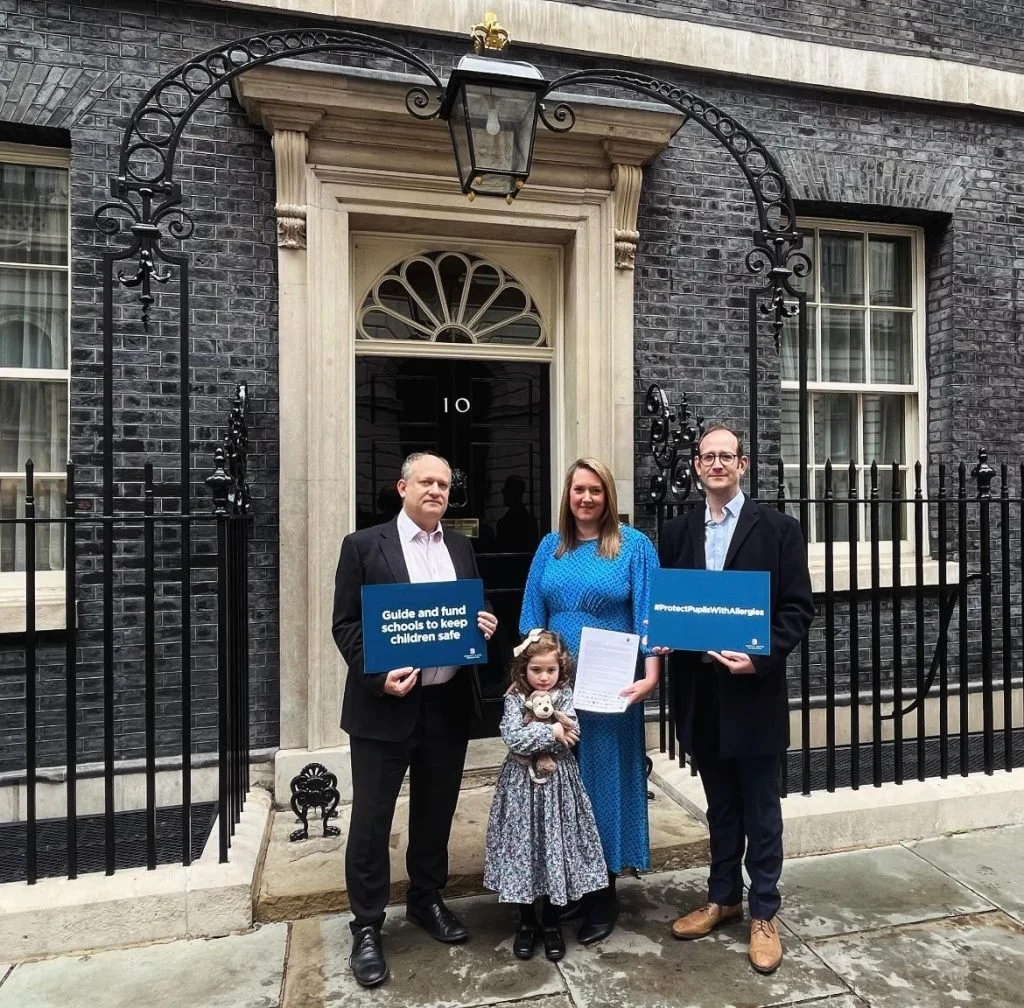
Professor Adam Fox is a key ally to Helen Blythe and the Benedict Blythe Foundation, alongside the rest of the charities and healthcare professionals within the National Allergy Strategy Group (NASG).
Looking Ahead: What Comes Next
The statutory guidance will be drafted, consulted on with sector experts, and published well ahead of the September 2026 deadline. Schools should use this interim period to review existing policies, build staff competency, and engage with families about individual health plans.
For parents, educators, and school leaders, this is a signal that allergies are being taken seriously at every level. And for children like Benedict, it’s a legacy that’s shaping a future where school is a safer, more inclusive place for everyone.

How We Can Help
As we've seen over the last three years since we launched our Anaphylaxis Kitt service in the UK, allergic reactions can strike anyone, at any age, for almost any reason.
It's important to know that allergy safeguards need to be put in place not just for children, but also for staff, visitors, and anyone on the school premises.
Created by allergy sufferer Zak Marks and launched in 2023, Kitt Medical’s Anaphylaxis Kitt service has become ‘the defibrillator for allergies’.
Providing an annual supply of emergency adrenaline pens, which can be used to treat severe allergic reactions, the wall-mounted 'Kitts' are designed for emergency use, and come alongside online CPD training for all staff, all in one annual subscription service.
Trusted by 2,000+ schools and qualifying businesses across the UK, our Kitts have now saved 25+ lives and trained over 35,000+ people.
We’ve also been featured across national press, with co-founders Zak Marks & James Cohen recently gaining investment from Steven Bartlett and Deborah Meaden on BBC’s Dragons’ Den.